Search
Premium 3D Channel Letters, Neon Signage & Architectural Advertising Solutions
Contact

corporate building signage
Discover how corporate building signage strengthens brand visibility through durable materials, precise fabrication, architectural integration and energy-efficient LED illumination across Benelux and Europe.
Corporate Building Signage: Design, Materials and Lighting
Corporate building signage identifies a company, reinforces brand recognition and helps visitors find the right entrance. Effective signage combines architectural proportions, durable materials, legible typography and controlled illumination. For offices, campuses and commercial buildings, solutions such as illuminated channel letters, 3D logo displays and facade signage can create a professional presence while meeting local facade regulations and long-term outdoor performance requirements.
A successful project starts with the building, brand guidelines and viewing distance. A specialist manufacturer such as AmonRa Signage BV can translate these factors into a tailored concept, from illuminated 3D letters to refined RVS letters. Explore the custom Environment behind our approach to design, engineering and professional signage production for corporate locations.
What Makes Corporate Building Signage Effective?
Corporate signage should be visible without overwhelming the architecture. The strongest designs use a clear logo, consistent brand colours and carefully selected depth. Letter height, spacing and contrast influence readability from roads, parking areas and pedestrian approaches. For multi-tenant buildings, signage can also support wayfinding by distinguishing reception areas, entrances and separate business units.
In the Benelux market, businesses often require signage that performs through changing weather and urban conditions. From Brussels and Antwerp to Ghent, Rotterdam and Amsterdam, building owners may need to consider planning permission, landlord approval, protected facades, brightness limits and local installation rules before production begins. Early coordination helps prevent delays and ensures the final installation respects the property and its surroundings.
Popular Signage Solutions for Corporate Buildings
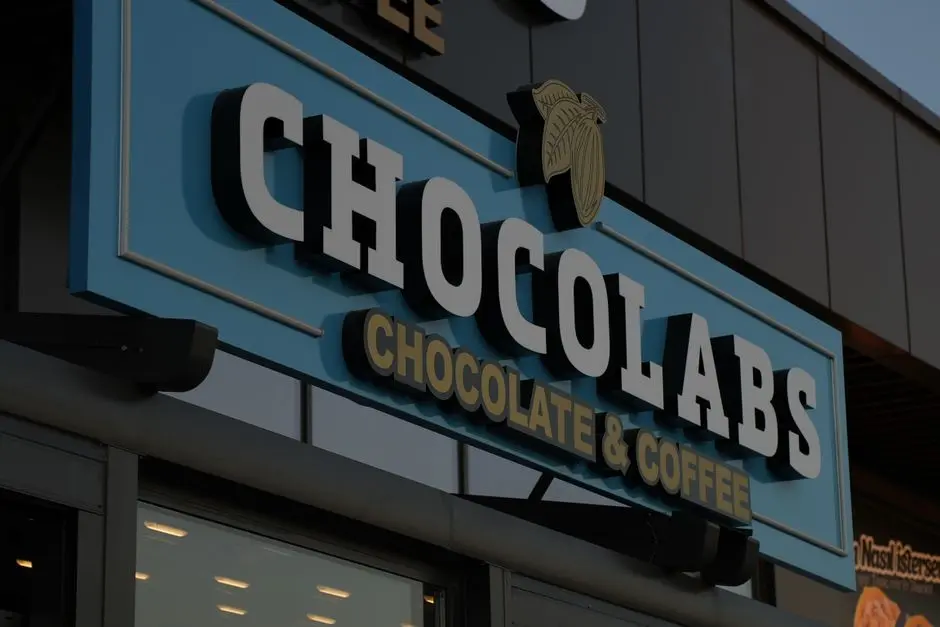
- Illuminated channel letters: Individually formed letters with internal LED verlichting create a strong, even nighttime identity. They are suitable for entrances, rooflines and reception facades.
- 3D logo signage: A dimensional brand mark adds depth and premium visual impact to an entrance wall, lobby or exterior facade.
- RVS letters: Stainless-steel lettering offers a clean architectural appearance and can be finished in brushed, polished or coated styles to match the building design.
- Doosletters: Built-up box letters provide dimensional presence and can be configured with front illumination, halo lighting or a combination of both.
- Non-illuminated facade signage: Cut lettering, logos and plaques can deliver understated daytime branding where illumination is restricted or unnecessary.
Materials, Illumination and Weather Resistance
Material selection should reflect the facade, exposure level and desired visual effect. Aluminium is lightweight and versatile, while stainless steel provides a distinctive metallic finish. Acrylic faces can support crisp light diffusion, and powder-coated components allow closer alignment with corporate colour systems. The correct combination depends on dimensions, mounting method, visibility and maintenance expectations.
For exterior applications, reliable sealing and component protection are essential. Properly engineered signage can use IP67-rated LED modules and electrical components to help withstand heavy rain, wind-driven moisture and demanding outdoor conditions. IP67 protection indicates resistance to dust ingress and temporary immersion under defined testing conditions; it does not replace correct installation, drainage and periodic inspection.
LED verlichting is widely selected because it provides efficient illumination, long service life and flexible colour temperature options. Front-lit letters offer direct visibility, while halo-lit letters create a softer glow against the wall. Dimming and timer controls can help align brightness with local requirements and reduce unnecessary energy use.
Design and Installation Process
- Site and brand review: Assess the facade, viewing angles, mounting surface, logo files and local permissions.
- Concept development: Prepare proportions, material samples, lighting style and visualisations for approval.
- Technical engineering: Confirm fixings, cable routes, power requirements, access methods and weather protection.
- Precision manufacturing: Produce the letters, logo and supporting components according to the approved specifications.
- Installation and commissioning: Mount, connect, test and align the signage for consistent daytime and nighttime presentation.
Professional installation is particularly important on high facades and complex architectural surfaces. AmonRa Signage BV supports corporate projects with detailed preparation and expert manufacturing, helping ensure that the finished lichtreclame, gevelreclame or facade signage is visually accurate, secure and appropriate for its setting.
Why Invest in Corporate Building Signage?
- Improves brand recognition for employees, visitors and passing traffic.
- Creates a confident first impression at headquarters and business premises.
- Supports navigation across large offices, campuses and multi-building sites.
- Extends brand visibility into evening hours through controlled LED illumination.
- Strengthens architectural identity with a consistent, professionally engineered finish.
Whether the objective is a discreet entrance logo or a prominent illuminated identity across a headquarters facade, the best result balances visibility, durability and design discipline. Request a Free Quote from AmonRa Signage BV for a project-specific 3D illuminated sign concept and a clear, no-obligation proposal.
Frequently Asked Questions
What is corporate building signage?
Corporate building signage is branded exterior or interior identification for offices, headquarters, campuses and commercial properties. It may include dimensional letters, illuminated logos, entrance signs and wayfinding elements.
Which materials are suitable for outdoor corporate signage?
Common choices include aluminium, stainless steel, acrylic and powder-coated finishes. The best option depends on the facade, exposure, brand design, dimensions and required lighting effect.
Does corporate signage require local approval?
Requirements vary by municipality, building type and location. In cities such as Brussels, Antwerp, Ghent, Rotterdam and Amsterdam, planning rules, landlord consent and brightness restrictions may apply, so approval should be checked before production.
Related Guides
Explore More Related Guides
In-depth architectural signage and illuminated letter guides for your business.