Arama
Premium 3D Channel Letters, Neon Signage & Architectural Advertising Solutions
Contact

uniform illumination led strip placement
Learn how LED strip placement, letter depth, materials, and installation planning create even illumination in channel letters and facade signage across Benelux and Europe.
Uniform Illumination: LED Strip Placement Guide
For uniform illumination, place LED modules or strips at a consistent distance from the face, use the correct spacing for the letter depth, and avoid sharp corners or overlapping light sources. Select LEDs with suitable brightness, colour temperature, and optical distribution, then test the complete letter before installation. A balanced layout prevents hotspots, dark edges, and visible shadows in illuminated channel letters.
Why LED Strip Placement Matters
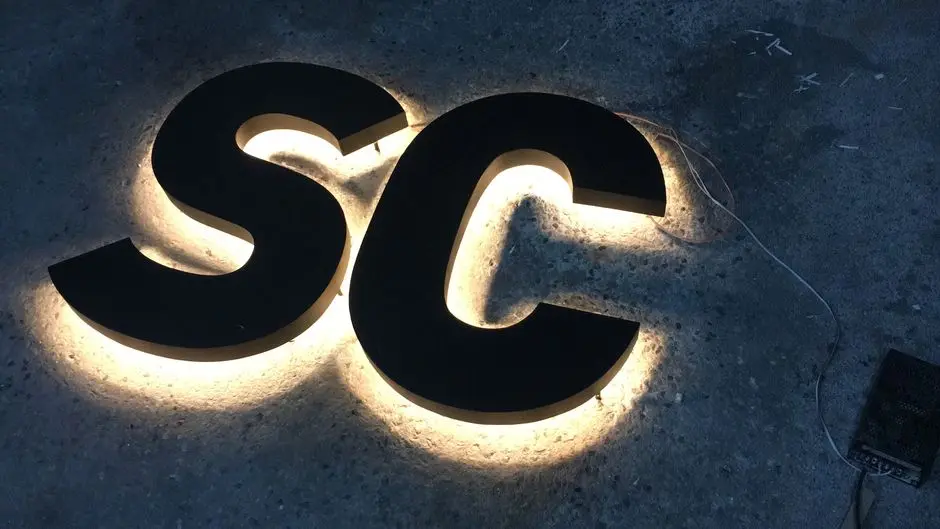
In backlit and front-lit signage, light distribution depends on the relationship between the LED source, the internal cavity, and the acrylic or translucent face. If LEDs are positioned too close to the face, bright points may become visible. If they are too far away or spaced too widely, the centre and edges can appear uneven.
For a refined result, AmonRa Signage BV combines controlled fabrication with practical installation planning. The custom Profile B1 - Front Lit Acrylic Channel is designed for professional front-lit applications where clear branding, dimensional impact, and consistent LED verlichting are important. This format is suitable for businesses seeking durable illuminated channel letters, gevelreclame, and a precise 3D logo.
Key Principles for Even LED Distribution
- Maintain consistent spacing: Follow a measured grid or repeatable line pattern instead of placing LEDs by eye.
- Match spacing to letter depth: Deeper returns generally allow more distance between the LEDs and the face, while shallow letters require tighter spacing or suitable optics.
- Illuminate the edges: Place light sources close enough to reach corners and narrow strokes, while avoiding direct contact with the acrylic face.
- Use the right output: Excessive brightness can create glare and hotspots; insufficient output can produce grey areas and weak visibility.
- Check small details: Thin strokes, internal counters, and tight curves often need separate attention during layout.
Choosing the Right Channel Letter Construction
Front-lit acrylic channel letters use a translucent face to distribute light toward the viewer. The face colour, acrylic thickness, letter depth, and return finish all affect the final appearance. A white or light-diffusing face usually supports a smooth glow, while darker colours may require careful LED selection and spacing to maintain legibility.
Other formats can support different branding goals. RVS letters offer a refined metal appearance, while dimensional 3D letters create architectural presence on retail, hospitality, and corporate façades. For indirect effects, halo-lit designs can complement front-lit elements, but each lighting method requires its own LED placement strategy.
Installation Considerations in Benelux and Europe
Facade signage in Brussels, Antwerp, Ghent, Rotterdam, and Amsterdam must be planned around the building surface, viewing distance, electrical access, and local facade regulations. Landlords, municipalities, and heritage authorities may request drawings, colour details, mounting information, or illumination limits before approval. Early coordination helps prevent changes after production.
Outdoor installations should also account for strong rain, temperature changes, and wind exposure. Properly sealed components and an appropriate IP67-rated construction can provide robust protection against harsh weather when the complete assembly, cable entries, power supply, and installation method are specified and fitted correctly. AmonRa Signage BV manufactures signage for European environments with attention to durable materials, clean cable management, and serviceable construction.
How Professionals Verify Uniform Illumination
A reliable quality check takes place before the sign reaches the facade. The complete letter set should be powered at the intended voltage and viewed from the planned distance, both in daylight and in darkness. Inspectors look for hotspots, dark corners, inconsistent colour, flicker, shadowing, and differences between individual letters.
- Confirm the LED layout matches the approved technical drawing.
- Test power supplies and voltage drop across longer runs.
- Inspect seals, connectors, and cable routing before closing the letters.
- Review the sign from multiple angles and typical pedestrian viewpoints.
- Photograph or document the final test for installation and maintenance records.
Common LED Placement Mistakes
Uneven illumination often results from mixing LED types, using inconsistent spacing, ignoring narrow letter sections, or relying on a single light source in a deep cavity. Another frequent issue is failing to account for voltage drop, which can make the final letters appear dimmer than the first. Consistent components and a measured layout are more dependable than last-minute adjustments.
Professional planning also protects the brand image. Whether the project is called lichtreclame, doosletters, or facade signage, the result should remain readable, balanced, and visually consistent across the entire elevation. For expert manufacturing and a project-specific recommendation, contact AmonRa Signage. Request a Free Quote for a custom 3D illuminated sign designed for your building and market.
Frequently Asked Questions
How far apart should LED strips or modules be placed?
There is no universal distance. The correct spacing depends on letter depth, LED optics, brightness, face material, and colour. A technical layout and full-size test provide the most reliable result.
Can dark acrylic still provide uniform illumination?
Yes, but dark or saturated faces may require higher-output LEDs, diffusing materials, tighter spacing, or a different construction. The design should be tested before production.
What should I request for an outdoor illuminated sign?
Ask for a complete specification covering materials, LED system, power supply, sealing, mounting, maintenance access, and weather protection such as an appropriate IP67-rated assembly.
Related Guides
Explore More Related Guides
In-depth architectural signage and illuminated letter guides for your business.