Arama
Premium 3D Channel Letters, Neon Signage & Architectural Advertising Solutions
Contact

maintenance for lightbox letters
Learn how to inspect, clean, protect and service illuminated channel letters for reliable performance across European façades.
Maintenance for Lightbox Letters: Expert Guide
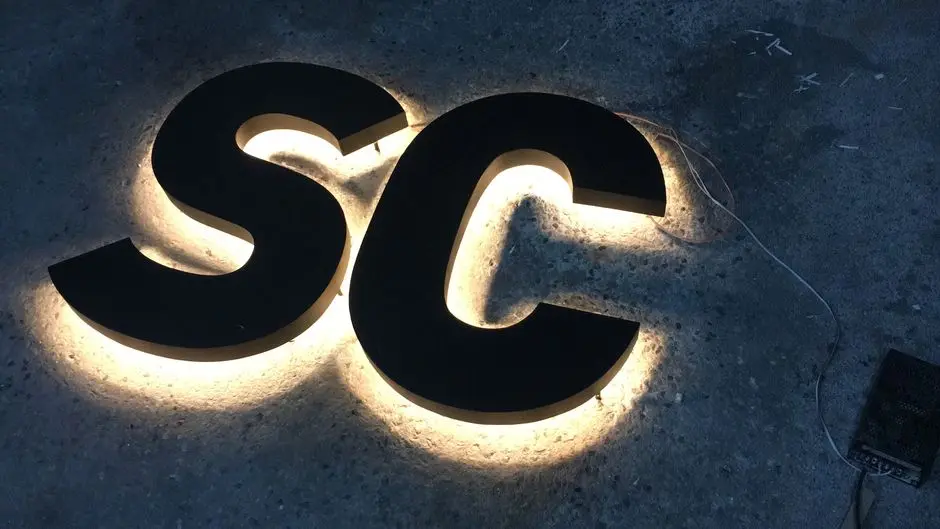
Maintenance for lightbox letters should combine scheduled visual inspections, gentle surface care, electrical checks and prompt repairs. Inspect the housing, acrylic faces, seals, fixings and LED verlichting for damage or moisture, especially after severe weather. Following the manufacturer’s instructions and using qualified technicians helps preserve brightness, safety and the professional appearance of illuminated channel letters on commercial façades.
For a dependable starting point, explore our Profile B1 - Front Lit Acrylic. This front-lit acrylic channel letter system is designed for clear brand visibility and can be specified as part of a coordinated gevelreclame or facade signage project by AmonRa Signage BV.
Why regular maintenance matters
Lightbox letters are exposed to rain, wind, airborne pollution and seasonal temperature changes. In cities such as Brussels, Antwerp, Ghent, Rotterdam and Amsterdam, façades may experience demanding weather and local installation requirements. A planned maintenance routine helps identify loose components, surface marks, uneven illumination and water ingress before they affect the wider sign.
Well-maintained illuminated channel letters also support consistent brand presentation. Whether the installation is described as lichtreclame, doosletters, 3D letters or a branded 3D logo, every visible element should remain aligned, clean and evenly lit.
Recommended maintenance schedule
The correct interval depends on the location, exposure, sign construction and operating hours. A practical programme can include:
- Monthly visual checks: Look for flickering, dark sections, cracks, discolouration, loose trim and visible cable or fixing issues from ground level.
- Seasonal inspections: Review seals, drainage paths, mounting points and the condition of acrylic faces after periods of heavy rain or strong wind.
- Annual professional servicing: Have a qualified signage technician inspect electrical connections, LED modules, drivers, access panels and structural fixings.
- Immediate attention: Switch off the sign and arrange professional support if there is water inside the letter, exposed wiring, burning odour or repeated electrical tripping.
How to care for acrylic and metal surfaces
Acrylic faces should be handled with a soft, lint-free cloth and a manufacturer-approved, non-abrasive method. Avoid aggressive solvents, abrasive pads and excessive pressure, as these can mark the surface or affect its optical appearance. Do not direct high-pressure water at joints, ventilation points or electrical access areas.
For aluminium, painted finishes and RVS letters, use a compatible care method recommended for the specific material. Check that branding elements, returns and edge details remain secure. If a panel becomes cloudy, cracked or significantly faded, replacement may provide a better result than repeated polishing.
Weatherproofing, safety and local compliance
Outdoor signage should be specified for its installation environment rather than treated as a one-size-fits-all product. Where applicable, an IP67-rated configuration can provide strong protection against dust and temporary water immersion, supporting reliable use in harsh rain and wind when the complete system is correctly designed and installed. The exact protection level must be confirmed for the selected components and construction.
Maintenance should also respect local façade regulations, access restrictions and electrical safety requirements in Belgium and the Netherlands. In Flanders, Brussels or Dutch municipalities, permissions may apply to size, projection, brightness, operating hours or placement. AmonRa Signage BV can help coordinate practical technical considerations for professional LED verlichting and façade branding projects across the Benelux and wider Europe.
Common maintenance issues and their causes
- Uneven brightness: May relate to ageing LED modules, power supply issues, damaged wiring or an obstructed light path.
- Flickering letters: Can indicate a loose connection, incompatible driver or component failure and should be assessed by a qualified technician.
- Moisture inside letters: May result from damaged seals, incorrect access-panel closure or installation-related drainage problems.
- Surface damage: Scratches, impact and weathering can reduce clarity and may require a replacement acrylic face or refinishing.
Maintenance starts with the right specification
Durability is influenced by material selection, letter depth, illumination method, fixing design and installation quality. A professional supplier can plan access for future servicing, select suitable LED components and document the system for facility managers. This approach is valuable for retail premises, offices, hospitality venues and multi-location brands that need consistent facade signage across Europe.
For a tailored 3D logo, lichtreclame or front-lit acrylic solution, contact AmonRa Signage. Request a Free Quote for a professionally designed illuminated sign that fits your brand, building and maintenance requirements.
Frequently Asked Questions
How often should lightbox letters be inspected?
Perform visual checks regularly and arrange professional servicing at least annually, with more frequent reviews for exposed or high-traffic locations.
Can I clean illuminated channel letters myself?
Basic exterior care may be possible from ground level using a gentle, non-abrasive method. Electrical, access and height-related work should be handled by qualified signage professionals.
What should I do if water appears inside a letter?
Switch off the sign if safe to do so and contact a qualified technician. The source of ingress should be identified before the sign is returned to service.
Related Guides
Explore More Related Guides
In-depth architectural signage and illuminated letter guides for your business.